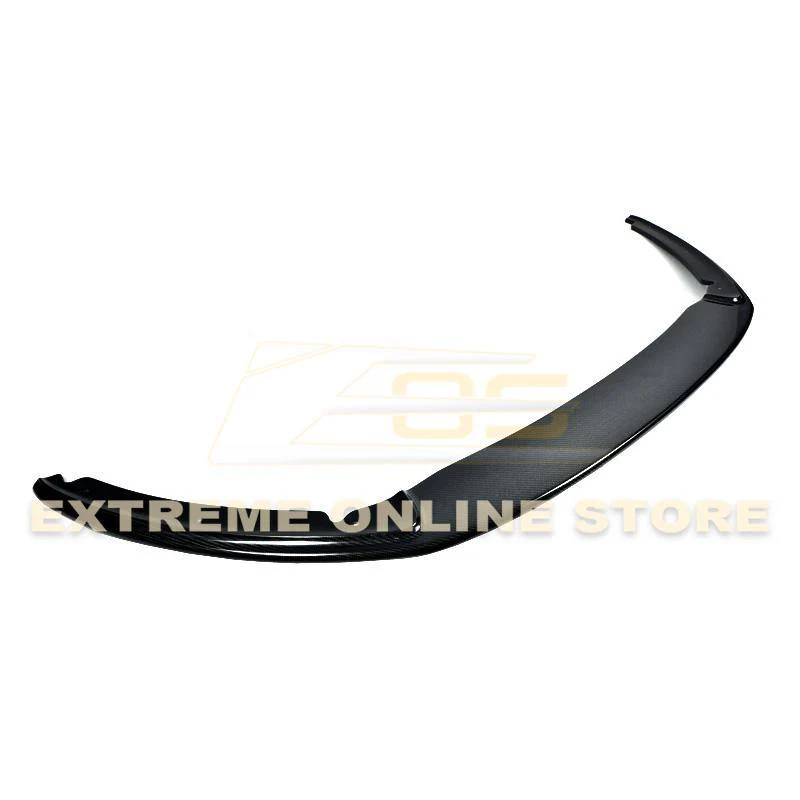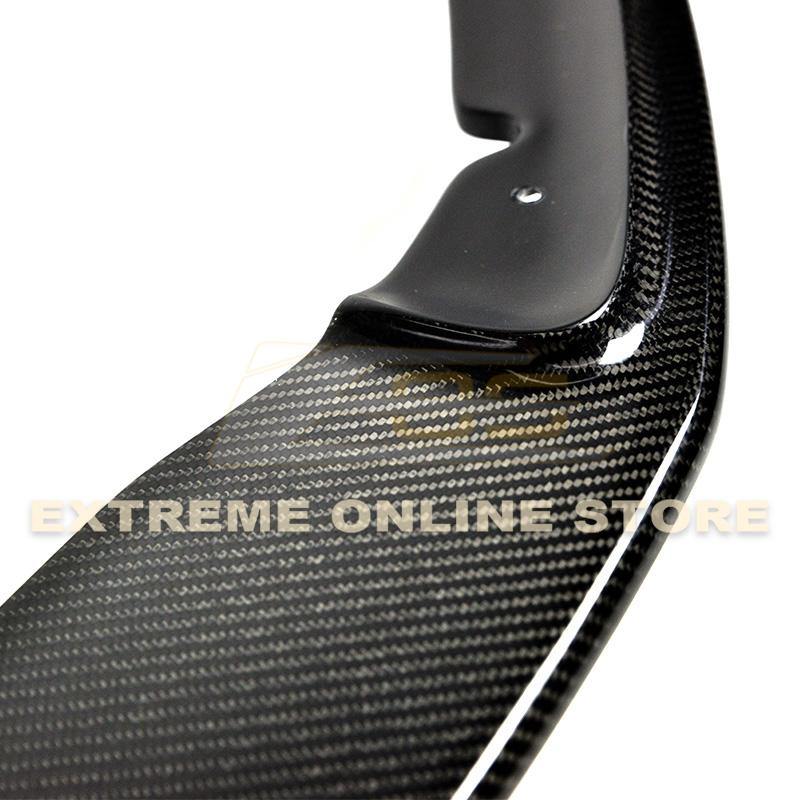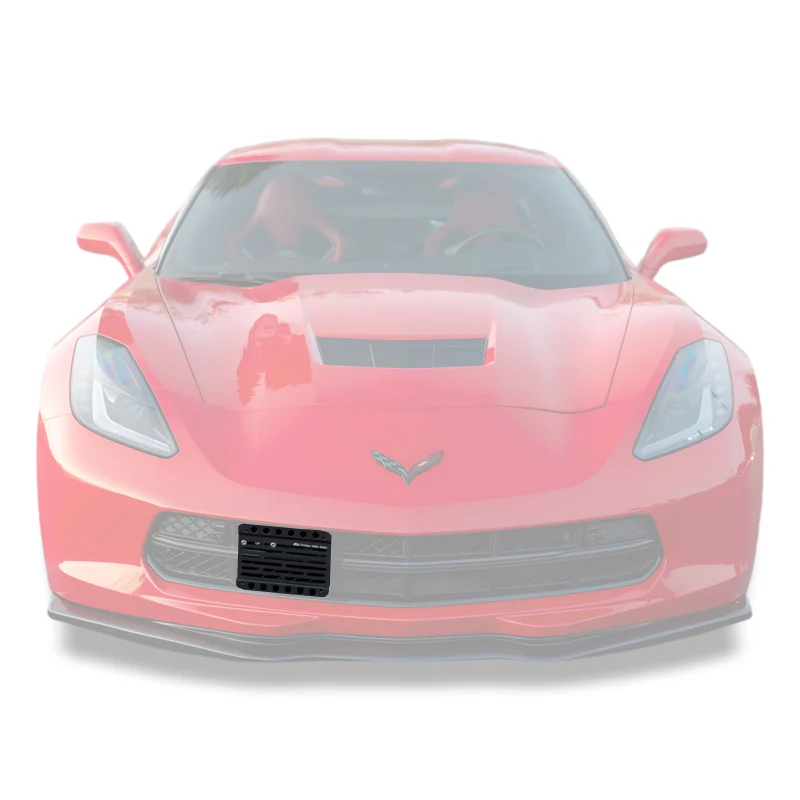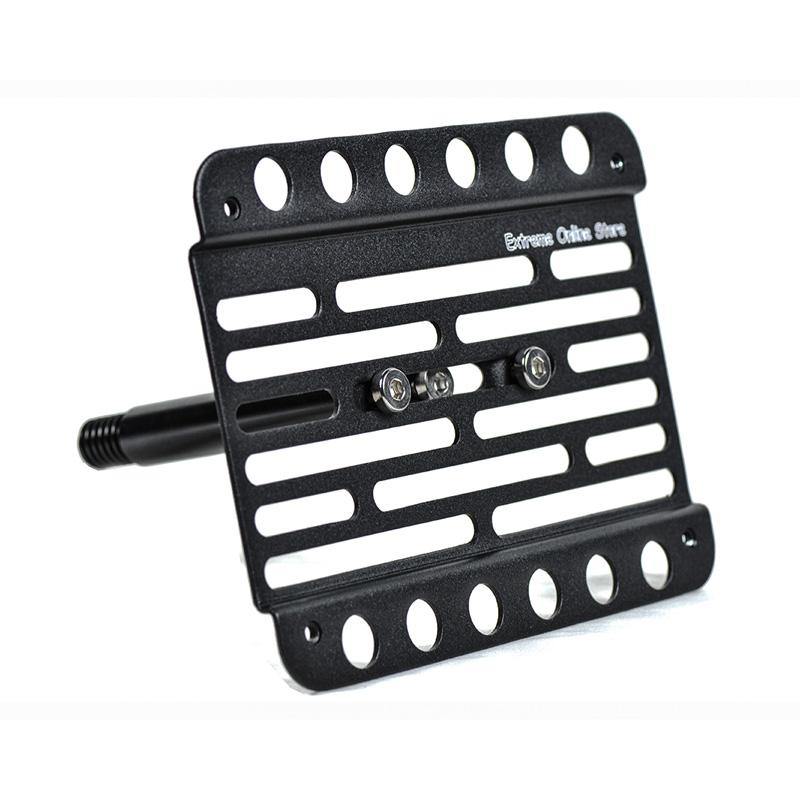
Corvette C8 HTC DRY Carbon Fiber Engine Bay Panel Cover
Product Overview
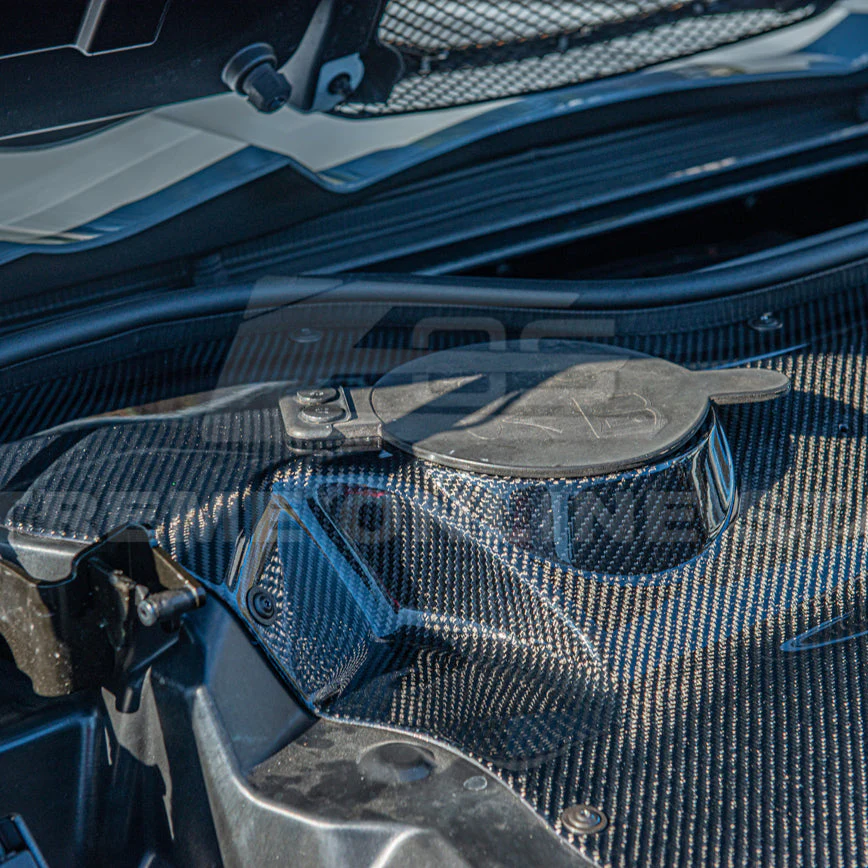
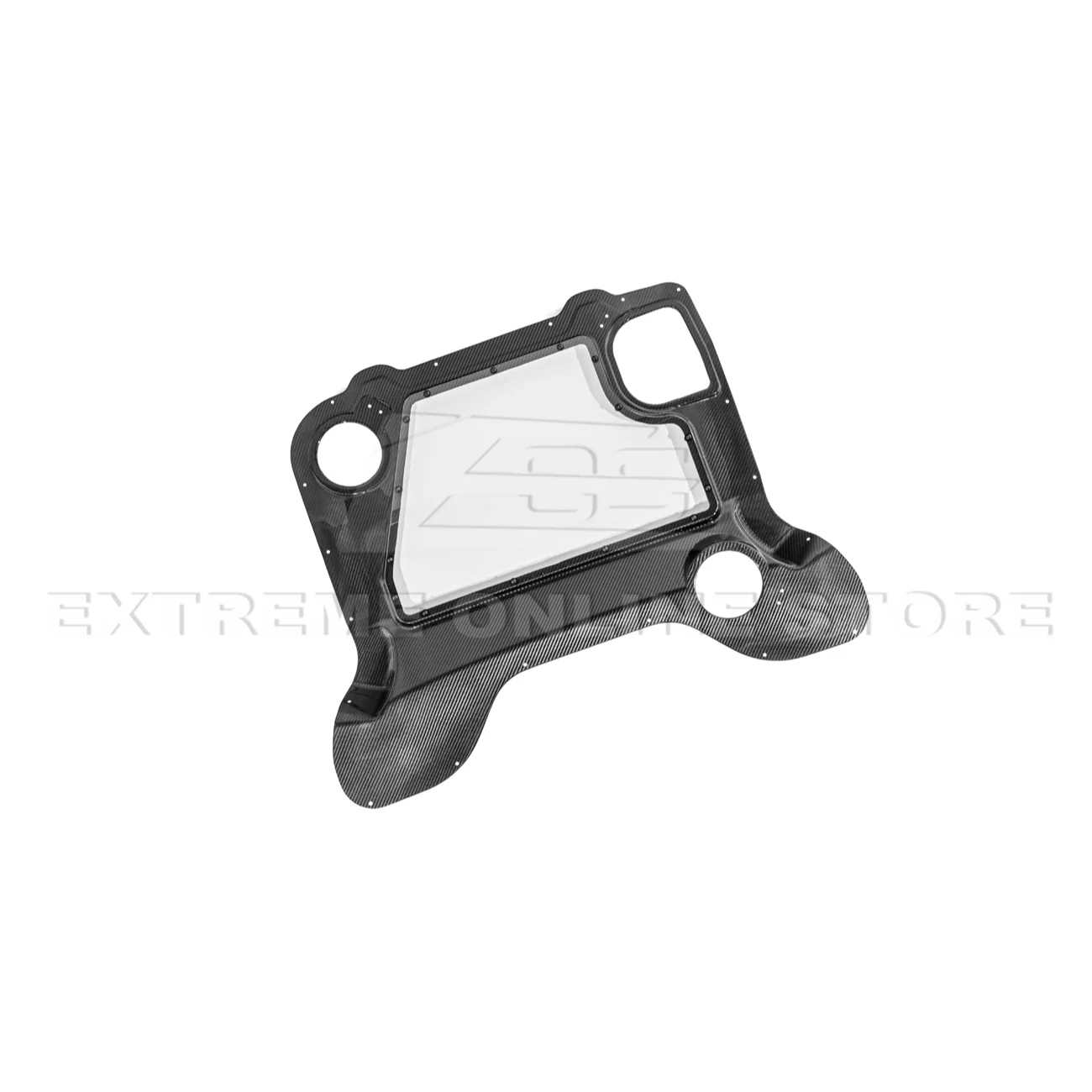
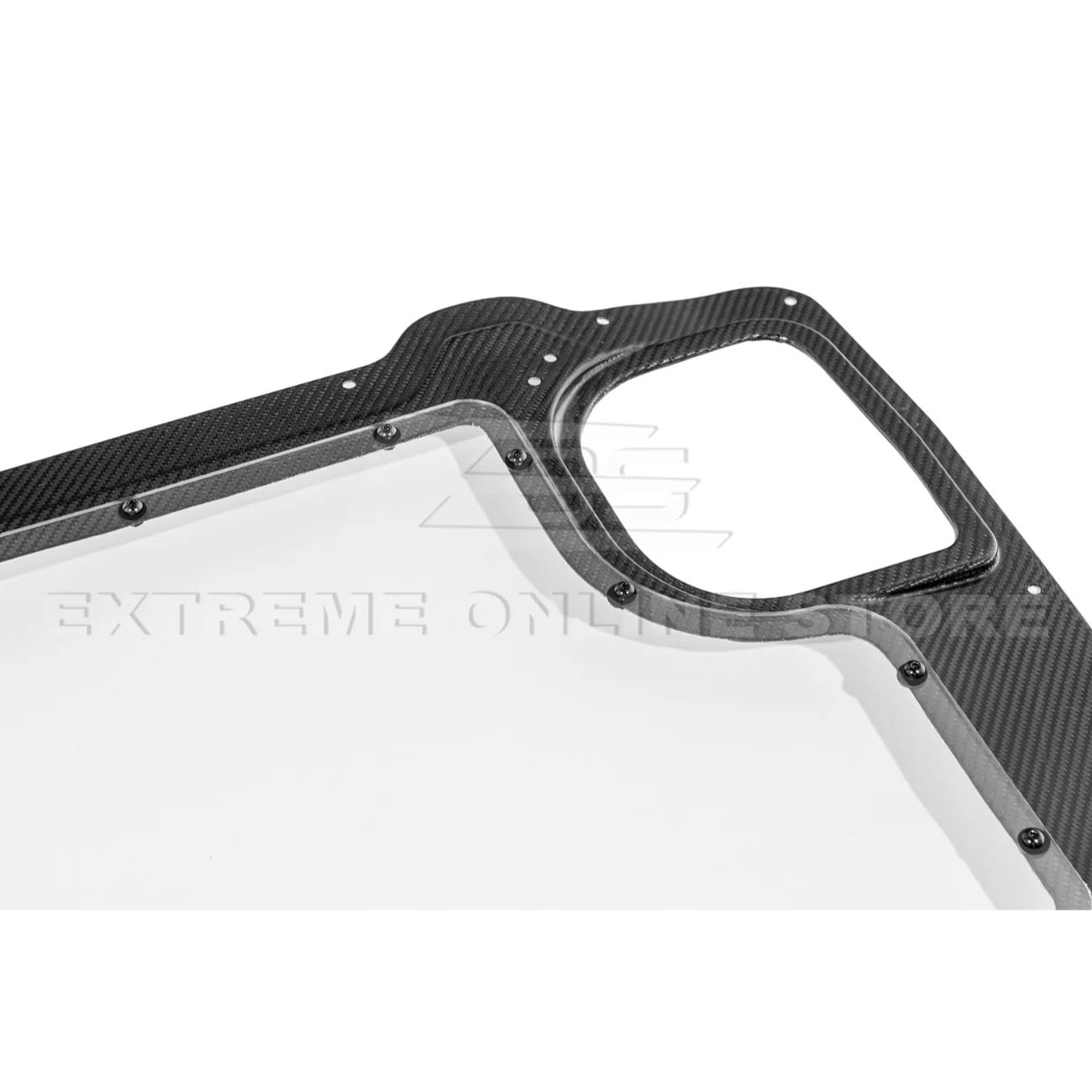
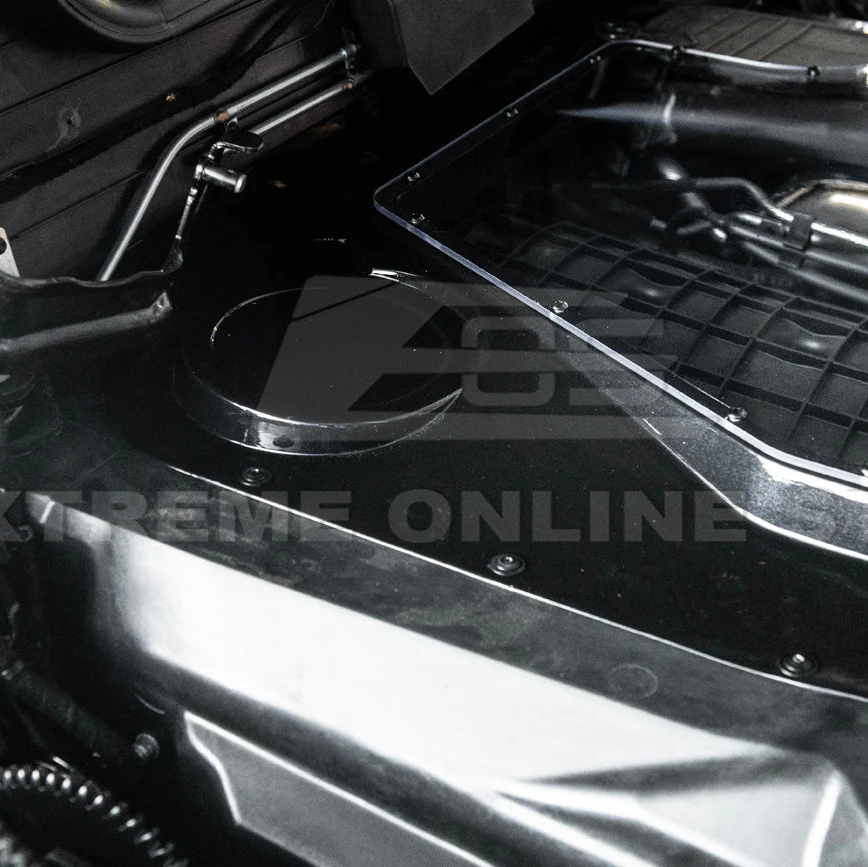
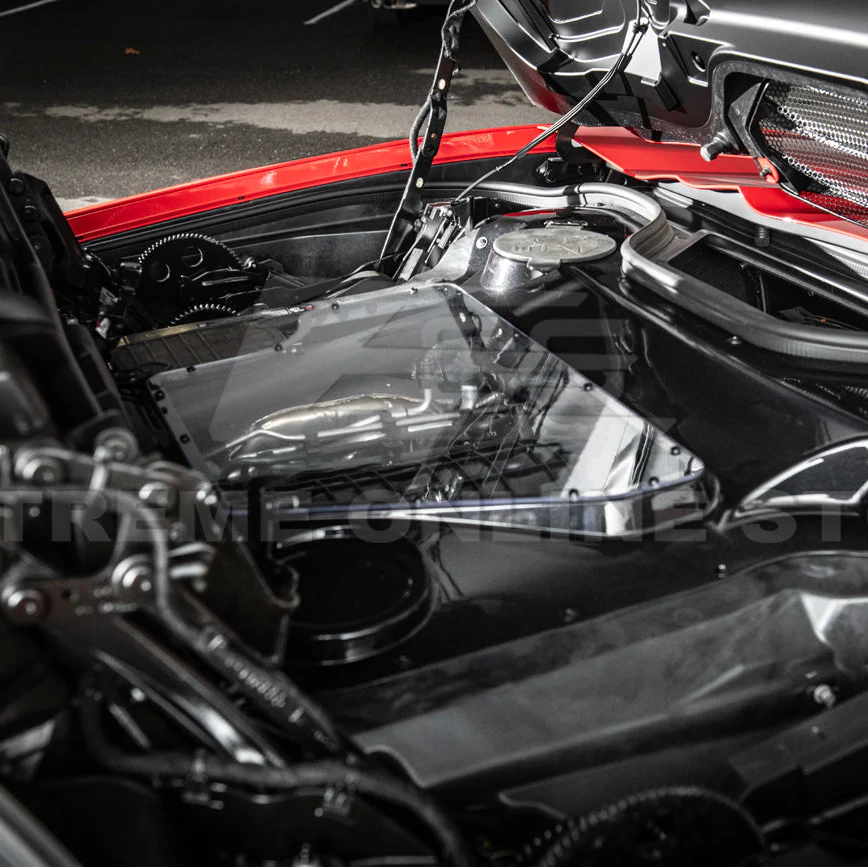
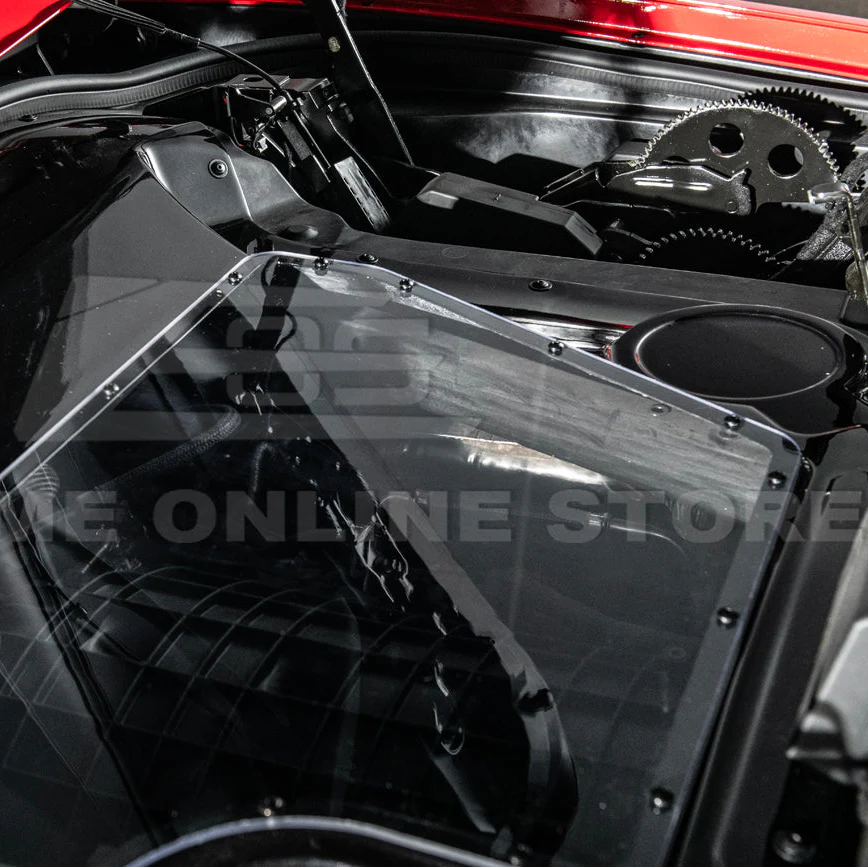
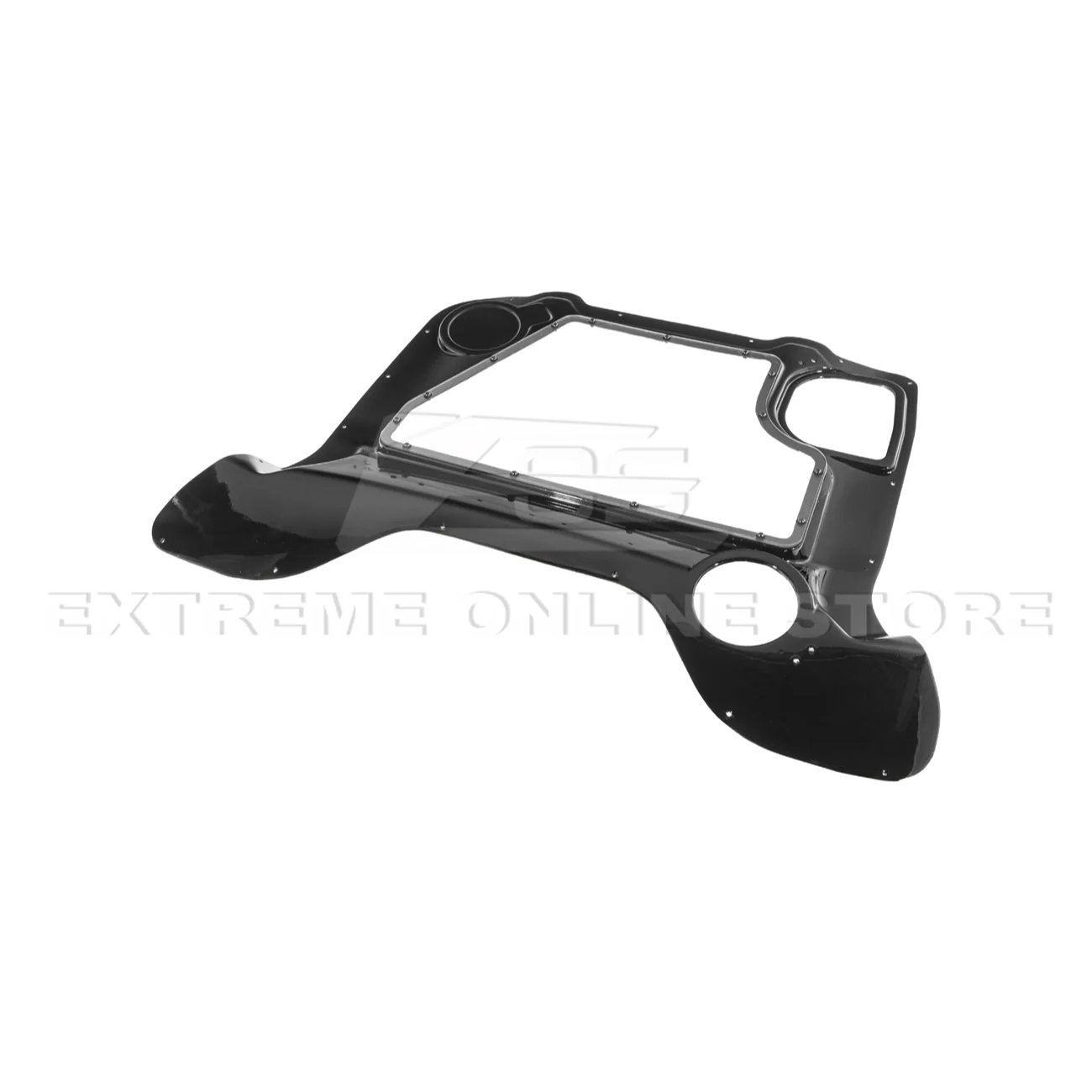
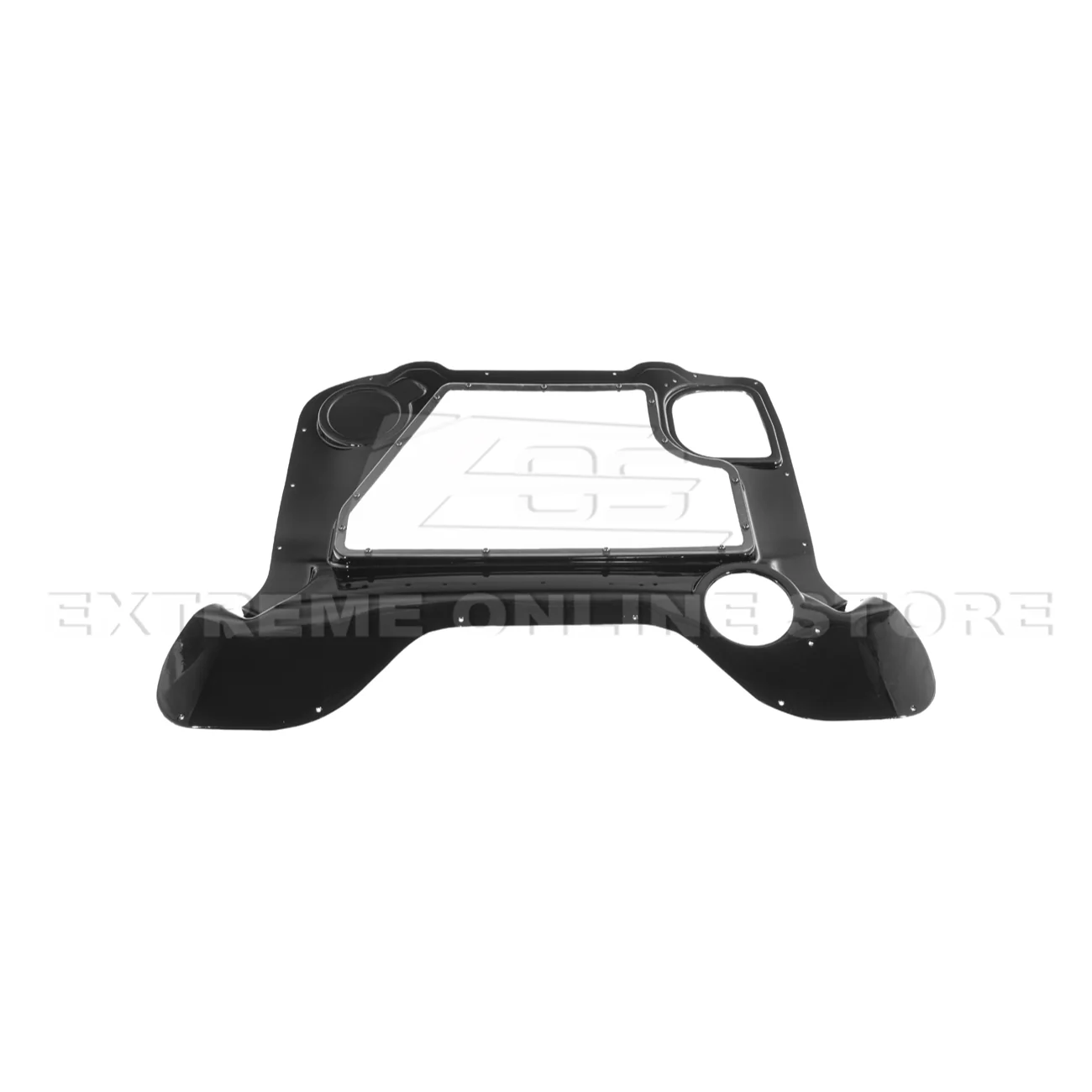
Enhance the style, sophistication, and visual impact of your 2020–Present Chevrolet Corvette C8 Convertible — Stingray, Z06, and E-Ray models with this GM Factory Style Replacement Carbon Fiber HTC Engine Cover. Designed specifically for C8 Convertible and HTC (Hard Top Convertible) variants, this premium upgrade transforms the appearance of your engine bay with authentic motorsport-inspired carbon fiber.
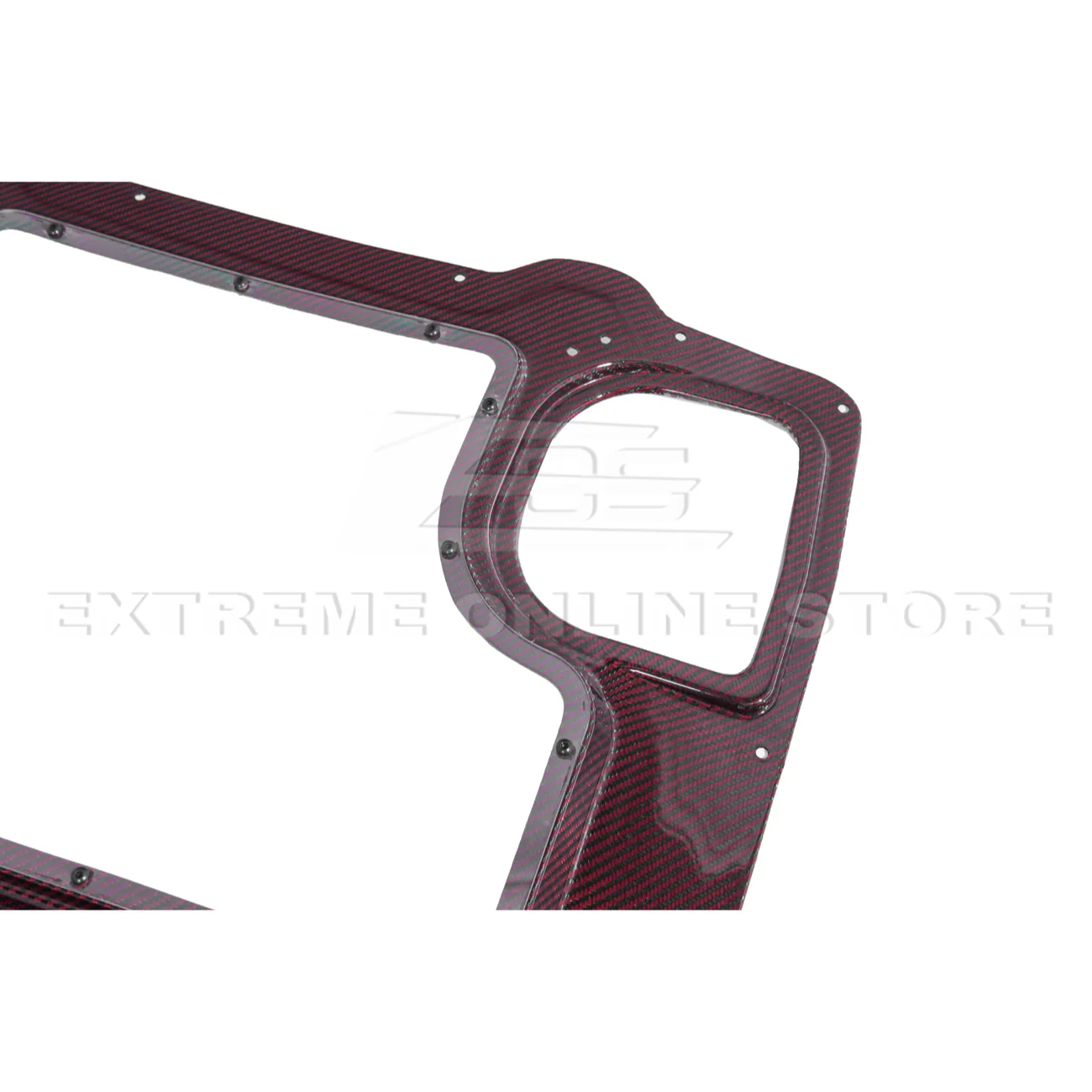
Constructed from 3K twill weave real carbon fiber paired with high-quality PC plastic, this engine cover delivers the perfect balance of lightweight durability and show-car aesthetics. The clear-coated finish provides UV protection and long-term gloss retention, ensuring your Corvette maintains a crisp, exotic appearance whether on display, at a meet, or cruising through town.
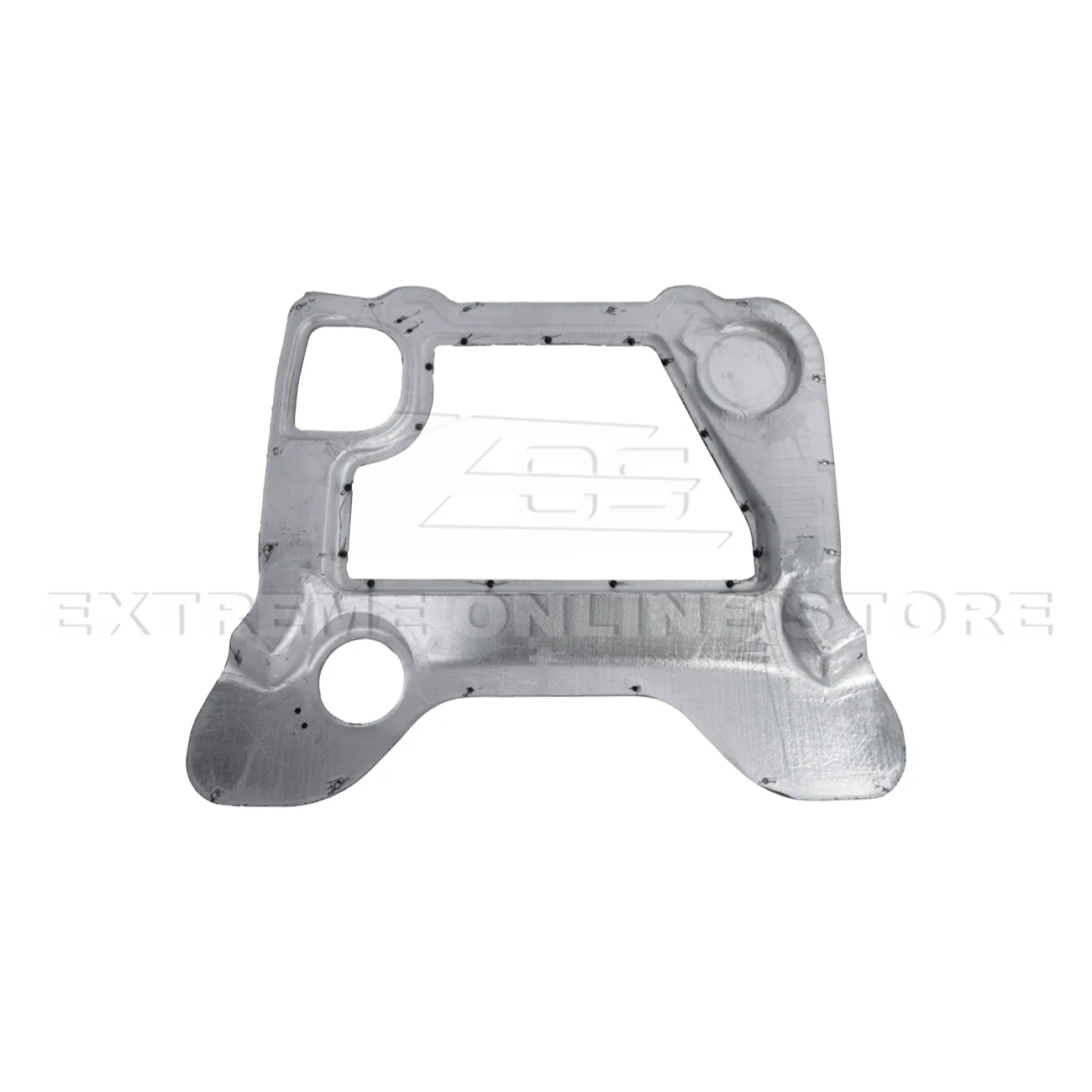
Molded directly from the OEM engine cover, this replacement panel preserves the original geometry, mounting points, and contours—providing a seamless OEM+ upgrade that fits with factory precision. Its elegant grained center design paired with the surrounding carbon fiber weave creates a premium contrast that elevates the entire look of the C8’s mid-engine layout.
Whether you're showcasing your Corvette at a local car event, detailing the engine bay for photography, or adding refined personalization to your build, this carbon fiber HTC engine cover provides an unmistakable visual upgrade that brings supercar-level attention to the rear compartment of your C8 Convertible.
Key Features
• Designed for 2020–Present Corvette C8 Convertible (Stingray, Z06, E-Ray)
Engineered exclusively for HTC and Convertible models, ensuring perfect compatibility with factory mounting locations and convertible mechanisms.
• Premium 3K Twill Weave Real Carbon Fiber Construction
Manufactured using authentic motorsport-grade carbon fiber for superior appearance, strength, and heat resistance. Clear-coated for long-term UV and gloss protection.
• OEM-Molded for Perfect Fitment
Each engine cover is molded directly from the original factory part, guaranteeing a precise fit with exact OEM dimensions, curves, and contours—zero gaps, zero modification.
• High-End Styling With Grained Center Accent
Features a distinctive grained center panel surrounded by exposed carbon fiber weave, creating a luxurious, high-contrast visual effect that elevates the C8’s engine bay.
• Lightweight & Durable Materials
Combines real carbon fiber and PC plastic for optimal weight savings while delivering the durability required to withstand heat and long-term outdoor exposure.
• Show-Quality Aesthetic Upgrade
Transforms the visibility of the C8’s rear engine bay—perfect for car shows, social media content, photo shoots, or enhancing the exotic presence of your Corvette.
• Simple Direct Bolt-On Replacement
No drilling or cutting required. Designed to reuse OEM hardware for quick and easy installation.
• Ideal for OEM+ Builds and Custom Styling
A perfect upgrade for Corvette owners who desire premium materials and factory-level fitment without compromising functionality.
Installation
This engine cover uses a direct bolt-on installation with no drilling required. The design reuses the vehicle’s OEM hardware for secure, factory-quality mounting.
-
Installation manual is not included
-
Hardware is not included (reuse OEM hardware)
-
Professional installation is recommended to ensure proper seating, alignment, and protection of convertible components
Vehicle Compatibility
FITMENT Fits ALL 2020-Present Chevrolet Corvette C8 Convertible Models
| Year | Make | Model | Trim |
|---|---|---|---|
| 2020 | Chevrolet | Corvette | Stingray Convertible |
| 2021 | Chevrolet | Corvette | Stingray Convertible |
| 2022 | Chevrolet | Corvette | Stingray Convertible |
| 2023 | Chevrolet | Corvette | Stingray Convertible |
| 2024 | Chevrolet | Corvette | Stingray Convertible |
| 2025 | Chevrolet | Corvette | Stingray Convertible |
| 2026 | Chevrolet | Corvette | Stingray Convertible |
| 2023 | Chevrolet | Corvette | Z06 Convertible |
| 2024 | Chevrolet | Corvette | Z06 Convertible |
| 2025 | Chevrolet | Corvette | Z06 Convertible |
| 2026 | Chevrolet | Corvette | Z06 Convertible |
| 2024 | Chevrolet | Corvette | E-Ray Convertible |
| 2025 | Chevrolet | Corvette | E-Ray Convertible |
| 2026 | Chevrolet | Corvette | E-Ray Convertible |
About Dry Carbon Fiber
Dry Carbon Fiber vs Wet Carbon Fiber — What’s the Difference?
Not all carbon fiber parts are made the same. The biggest distinction comes down to how the carbon is processed — commonly known as dry carbon and wet carbon. Both use genuine carbon fiber weave, but the production method, finish, and performance are completely different.
Manufacturing Process
Dry carbon fiber parts are produced using a pre-preg (pre-impregnated) carbon cloth, where the exact amount of resin is pre-applied by the manufacturer. These sheets are then vacuum-sealed and cured under high pressure and temperature in an autoclave, removing excess air and resin.
The result is a light, extremely strong, and precisely formed component — the same process used in motorsport and aerospace applications.
Wet carbon fiber, on the other hand, uses a hand-lay or wet-lay method. The carbon cloth is laid into a mold and liquid resin is manually brushed or poured over it before curing. Because it’s not vacuum-bagged or autoclave-cured, there’s usually more trapped resin and air pockets, leading to a heavier part and a less uniform finish.
Weight & Strength
Dry carbon fiber is roughly 30–50% lighter than wet carbon. This is due to the controlled resin ratio — just enough to bind the fibers without unnecessary weight.
By comparison, wet carbon or carbon-over-fiberglass parts can be up to 70% heavier, since excess resin and fiberglass layers add mass without increasing stiffness.
For reference:
- Carbon Fiber Density: ~1.55 g/cm³
- Fiberglass Density: ~2.6 g/cm³
Dry carbon also offers a much higher modulus of elasticity (~125 GPa), giving it outstanding rigidity under stress — ideal for aerodynamic and high-load components.
Visual & Structural Differences
-
Backside: A true dry carbon piece will look identical front and back — you can see the same woven pattern throughout.
Wet carbon or fiberglass-backed parts often have a dull, uneven underside with visible fiberglass texture or color variation. -
Edges: Solid dry carbon has clean, uniform black edges.
Wet carbon or overlay parts may show a white or grey line along the edge, revealing the fiberglass underneath — sometimes hidden with black paint trim. -
Finish: Dry carbon typically has a consistent matte or satin finish, while wet carbon can appear glossy but uneven due to hand-applied resin.

Original: $299.98
-65%$299.98
$104.99



















Description
Product Overview
Enhance the style, sophistication, and visual impact of your 2020–Present Chevrolet Corvette C8 Convertible — Stingray, Z06, and E-Ray models with this GM Factory Style Replacement Carbon Fiber HTC Engine Cover. Designed specifically for C8 Convertible and HTC (Hard Top Convertible) variants, this premium upgrade transforms the appearance of your engine bay with authentic motorsport-inspired carbon fiber.
Constructed from 3K twill weave real carbon fiber paired with high-quality PC plastic, this engine cover delivers the perfect balance of lightweight durability and show-car aesthetics. The clear-coated finish provides UV protection and long-term gloss retention, ensuring your Corvette maintains a crisp, exotic appearance whether on display, at a meet, or cruising through town.
Molded directly from the OEM engine cover, this replacement panel preserves the original geometry, mounting points, and contours—providing a seamless OEM+ upgrade that fits with factory precision. Its elegant grained center design paired with the surrounding carbon fiber weave creates a premium contrast that elevates the entire look of the C8’s mid-engine layout.
Whether you're showcasing your Corvette at a local car event, detailing the engine bay for photography, or adding refined personalization to your build, this carbon fiber HTC engine cover provides an unmistakable visual upgrade that brings supercar-level attention to the rear compartment of your C8 Convertible.
Key Features
• Designed for 2020–Present Corvette C8 Convertible (Stingray, Z06, E-Ray)
Engineered exclusively for HTC and Convertible models, ensuring perfect compatibility with factory mounting locations and convertible mechanisms.
• Premium 3K Twill Weave Real Carbon Fiber Construction
Manufactured using authentic motorsport-grade carbon fiber for superior appearance, strength, and heat resistance. Clear-coated for long-term UV and gloss protection.
• OEM-Molded for Perfect Fitment
Each engine cover is molded directly from the original factory part, guaranteeing a precise fit with exact OEM dimensions, curves, and contours—zero gaps, zero modification.
• High-End Styling With Grained Center Accent
Features a distinctive grained center panel surrounded by exposed carbon fiber weave, creating a luxurious, high-contrast visual effect that elevates the C8’s engine bay.
• Lightweight & Durable Materials
Combines real carbon fiber and PC plastic for optimal weight savings while delivering the durability required to withstand heat and long-term outdoor exposure.
• Show-Quality Aesthetic Upgrade
Transforms the visibility of the C8’s rear engine bay—perfect for car shows, social media content, photo shoots, or enhancing the exotic presence of your Corvette.
• Simple Direct Bolt-On Replacement
No drilling or cutting required. Designed to reuse OEM hardware for quick and easy installation.
• Ideal for OEM+ Builds and Custom Styling
A perfect upgrade for Corvette owners who desire premium materials and factory-level fitment without compromising functionality.
Installation
This engine cover uses a direct bolt-on installation with no drilling required. The design reuses the vehicle’s OEM hardware for secure, factory-quality mounting.
-
Installation manual is not included
-
Hardware is not included (reuse OEM hardware)
-
Professional installation is recommended to ensure proper seating, alignment, and protection of convertible components
Vehicle Compatibility
FITMENT Fits ALL 2020-Present Chevrolet Corvette C8 Convertible Models
| Year | Make | Model | Trim |
|---|---|---|---|
| 2020 | Chevrolet | Corvette | Stingray Convertible |
| 2021 | Chevrolet | Corvette | Stingray Convertible |
| 2022 | Chevrolet | Corvette | Stingray Convertible |
| 2023 | Chevrolet | Corvette | Stingray Convertible |
| 2024 | Chevrolet | Corvette | Stingray Convertible |
| 2025 | Chevrolet | Corvette | Stingray Convertible |
| 2026 | Chevrolet | Corvette | Stingray Convertible |
| 2023 | Chevrolet | Corvette | Z06 Convertible |
| 2024 | Chevrolet | Corvette | Z06 Convertible |
| 2025 | Chevrolet | Corvette | Z06 Convertible |
| 2026 | Chevrolet | Corvette | Z06 Convertible |
| 2024 | Chevrolet | Corvette | E-Ray Convertible |
| 2025 | Chevrolet | Corvette | E-Ray Convertible |
| 2026 | Chevrolet | Corvette | E-Ray Convertible |
About Dry Carbon Fiber
Dry Carbon Fiber vs Wet Carbon Fiber — What’s the Difference?
Not all carbon fiber parts are made the same. The biggest distinction comes down to how the carbon is processed — commonly known as dry carbon and wet carbon. Both use genuine carbon fiber weave, but the production method, finish, and performance are completely different.
Manufacturing Process
Dry carbon fiber parts are produced using a pre-preg (pre-impregnated) carbon cloth, where the exact amount of resin is pre-applied by the manufacturer. These sheets are then vacuum-sealed and cured under high pressure and temperature in an autoclave, removing excess air and resin.
The result is a light, extremely strong, and precisely formed component — the same process used in motorsport and aerospace applications.
Wet carbon fiber, on the other hand, uses a hand-lay or wet-lay method. The carbon cloth is laid into a mold and liquid resin is manually brushed or poured over it before curing. Because it’s not vacuum-bagged or autoclave-cured, there’s usually more trapped resin and air pockets, leading to a heavier part and a less uniform finish.
Weight & Strength
Dry carbon fiber is roughly 30–50% lighter than wet carbon. This is due to the controlled resin ratio — just enough to bind the fibers without unnecessary weight.
By comparison, wet carbon or carbon-over-fiberglass parts can be up to 70% heavier, since excess resin and fiberglass layers add mass without increasing stiffness.
For reference:
- Carbon Fiber Density: ~1.55 g/cm³
- Fiberglass Density: ~2.6 g/cm³
Dry carbon also offers a much higher modulus of elasticity (~125 GPa), giving it outstanding rigidity under stress — ideal for aerodynamic and high-load components.
Visual & Structural Differences
-
Backside: A true dry carbon piece will look identical front and back — you can see the same woven pattern throughout.
Wet carbon or fiberglass-backed parts often have a dull, uneven underside with visible fiberglass texture or color variation. -
Edges: Solid dry carbon has clean, uniform black edges.
Wet carbon or overlay parts may show a white or grey line along the edge, revealing the fiberglass underneath — sometimes hidden with black paint trim. -
Finish: Dry carbon typically has a consistent matte or satin finish, while wet carbon can appear glossy but uneven due to hand-applied resin.